Prepare discharge fax packets for a post-acute provider. Verify destinations, current documents, supplements and the receiving team’s document questions.


- Confirm the receiving provider and the appropriate document destination.
- Assemble the packet from the discharge team’s approved requirements.
- Make current versions and follow-up documents easy to distinguish.
- Check fax transmission separately from the receiving team’s document review.
- Escalate unresolved clinical or readiness questions through the care team’s process.
A discharge packet is useful when the receiving post-acute team can locate and use the intended documents. Sending it is one part of a coordinated handoff, alongside the clinical communication and arrangements made by the responsible teams.
Plan the document destination as carefully as the packet itself. The following administrative checks support a fax exchange where that channel has been agreed. They do not determine whether a patient is ready for discharge or whether a provider can accept the patient.
Confirm where the packet should go
Verify the receiving organization, department and current fax number through the approved contact process. Confirm which team should receive the documents and how it will identify the expected transfer.
Check the recipient’s document instructions alongside the discharge team’s requirements. An intake fax number and a clinical unit’s working number may serve different purposes. Keep the agreed destination connected to the transfer record.
For U.S. hospitals, CMS’s discharge-planning guidance describes transferring necessary medical information to the appropriate follow-up providers. The care team establishes what is necessary for the particular patient and transfer.
Assemble the approved document set
Use the organization’s approved discharge checklist and current source documents. Have the responsible professionals identify the required records, orders and other information; administrative staff can then verify that the identified documents are present and readable.
Where the transfer includes equipment-order paperwork, track missing information on the DME signed order against that order’s requirements.
Check document dates and versions before assembling the fax. Where a record was updated during discharge preparation, make sure the team knows which copy belongs in the outgoing packet.
Distinguish an initial packet from a supplement. A later page should identify the same transfer and explain what document is being added or replaced, following the approved process. Avoid leaving the receiving team to infer whether two differing copies are both current.
If records arrive through more than one approved channel, identify where each part can be found and reconcile the document set in the approved transfer record.
Review the fax copy and send
Check all pages at a readable size, including small text and signatures where relevant. Include the routing information the recipient requests while limiting unnecessary repetition of sensitive information.
For HIPAA workflows, prepare the appropriate Fax.Plus healthcare account setup: Enterprise, Advanced Security Controls and a signed BAA. Use authorized staff access and the organization’s approved handling process.
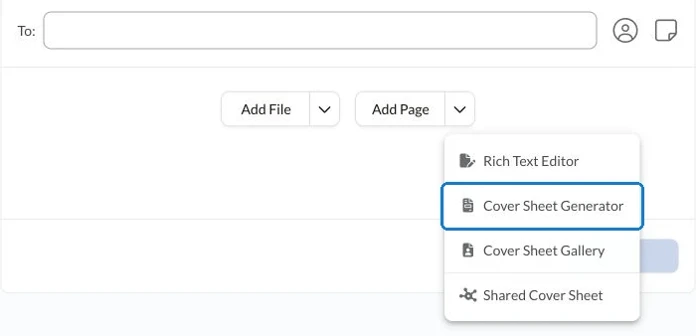
After sending, check the result and retain the appropriate fax transmission confirmation with the transfer documentation. If the transmission is unsuccessful, follow the established document-contact and escalation procedure.
Confirm document availability through the agreed process
When the handoff requires a receipt check, confirm that the intended receiving team can locate the packet and identify any document questions. Record the contact and next action in the approved transfer record.
For example, “packet transmitted; receiving team asked for a readable replacement of page [number]” describes an administrative action without implying a clinical decision.
A fax result and a receiving provider’s readiness are separate matters. Send clinical questions, changes to orders and unresolved care needs to the responsible clinicians. Use the organization’s escalation process for time-sensitive concerns rather than relying on a fax alone.
Keep supplements, replacements and the receiving team’s responses connected to the same transfer so the next authorized colleague can continue the document handoff accurately.
FAQs
Who determines which documents belong in a discharge fax packet?

The responsible care team determines the required information using the patient’s needs, applicable requirements and receiving provider’s instructions. Administrative checks can then verify that the identified documents are present and readable.
How should a later discharge document be sent?
Identify the same transfer and clearly describe the document being added or replaced. Follow the approved routing process and preserve the relationship to the earlier packet.
What should a receiving-team receipt check establish?
Confirm that the intended team can locate the packet and identify any missing or unreadable documents. Record the next administrative action and refer clinical or acceptance questions to the responsible professionals.


Confédération Suisse
Confederazione Svizzera
Confederaziun Svizra
Swiss Confederation
Innosuisse - Swiss Innovation Agency