Plan a school fax-line transition during copper retirement. Inventory the line, check number eligibility and test the replacement before cancellation.


- Identify what actually uses each school telephone line before changing it.
- Check the carrier’s notice and the school’s actual service transition date.
- Evaluate how staff will send, receive and recognize the fax number afterward.
- Confirm number-transfer eligibility before cancelling the existing service.
- Test the replacement workflow and document the operational handover.
A school fax line may carry few pages while its number remains printed on records forms and contact lists. A carrier’s retirement or service-change notice creates a specific task: decide what will replace that line and how the office will continue handling the documents that still arrive.
Low volume does not remove the need for a planned handover. The relevant questions concern the actual line, its users and the school’s receiving process, rather than a general comparison of fax services.
Inventory the line before selecting a replacement
Identify the service account, published number, connected equipment and departments using it. Confirm whether the line serves only fax or also supports another device or function. Involve the staff responsible for those systems before making changes.
Read the carrier’s current notice and ask what will change at that school. Network retirement and service migration are not one universal event with a worldwide cutoff date. As a UK example, Ofcom’s fax transition explanation discusses fax compatibility as networks move to IP technology.
Use the school’s provider instructions and local timetable. A general news article is not a confirmed cancellation date for its line.
Decide what the office needs to retain
Review recent sending and receiving tasks. Identify where the existing number is published, who checks incoming records and whether staff need to keep using a physical device.
For the wider migration choices, use the existing analog-to-digital fax guide. Keep the school’s evaluation focused on the required result: an authorized colleague can receive a document, recognize its destination and follow the approved records process.
Use the school buyer guide to compare the replacement service’s school-office requirements before selecting it.
If cloud fax is appropriate, confirm the school’s internet and device access and its arrangements for handling an interruption. A replacement fax workflow does not automatically replace any alarm, lift, telephone or other service sharing the old infrastructure.
Plan the number and staff transition
Check Fax.Plus number-porting requirements for the existing number and provider. Confirm eligibility and the transfer arrangements before cancelling the old service. Do not assume a guaranteed transfer date or that the current analog connection remains after the number moves.
Identify which authorized staff will receive documents and who provides cover. Use a clear number label and a short office procedure so staff can recognize its purpose after transition.
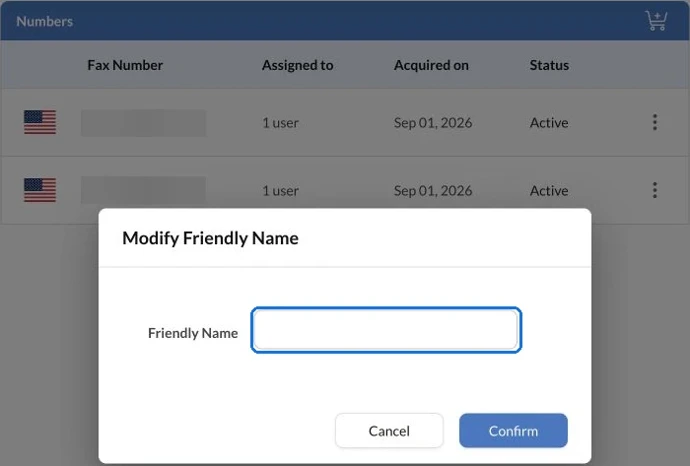
For example, “records office fax” can describe the number’s purpose in an approved internal naming convention. Check the actual receiving access and notifications with the staff who will use them.
Test before closing the old arrangement
Use controlled documents and agreed contacts to test sending, receiving, readability and retrieval on the replacement service. Check that staff can identify the correct incoming document and record its next action.
Record the test date, receiving office, page readability, retrieval result and staff member who checked it. Keep unresolved device or notification issues with the cutover plan.
Review published forms and contact lists if the number changes. Record the confirmed cutover arrangements, the responsible contacts and how the office will report a problem.
Treat cancellation as the end of the migration sequence. Complete the necessary provider checks and confirm the replacement workflow before ending the old arrangement. That keeps the project tied to the school’s actual document handling rather than an assumption that a new subscription completes the transition.
FAQs
What should a school check first after a copper-retirement notice?

Identify the affected service, number and connected equipment, then confirm the carrier’s actual changes and timetable. Establish whether other school systems use the same line before selecting a replacement.
When should the school cancel its existing fax service?
Follow the confirmed provider and number-transfer arrangements. Check eligibility, keep the current service active until transfer is confirmed where porting applies, and verify the replacement workflow before ending the old arrangement.
What should an office test on its replacement fax workflow?
Test controlled sending and receiving, readable documents, appropriate staff access and retrieval. Check the number’s label, published contact details and the process for reporting an interruption.


Confédération Suisse
Confederazione Svizzera
Confederaziun Svizra
Swiss Confederation
Innosuisse - Agenzia svizzera per la promozione dell'innovazione